Barrel Aging Beer
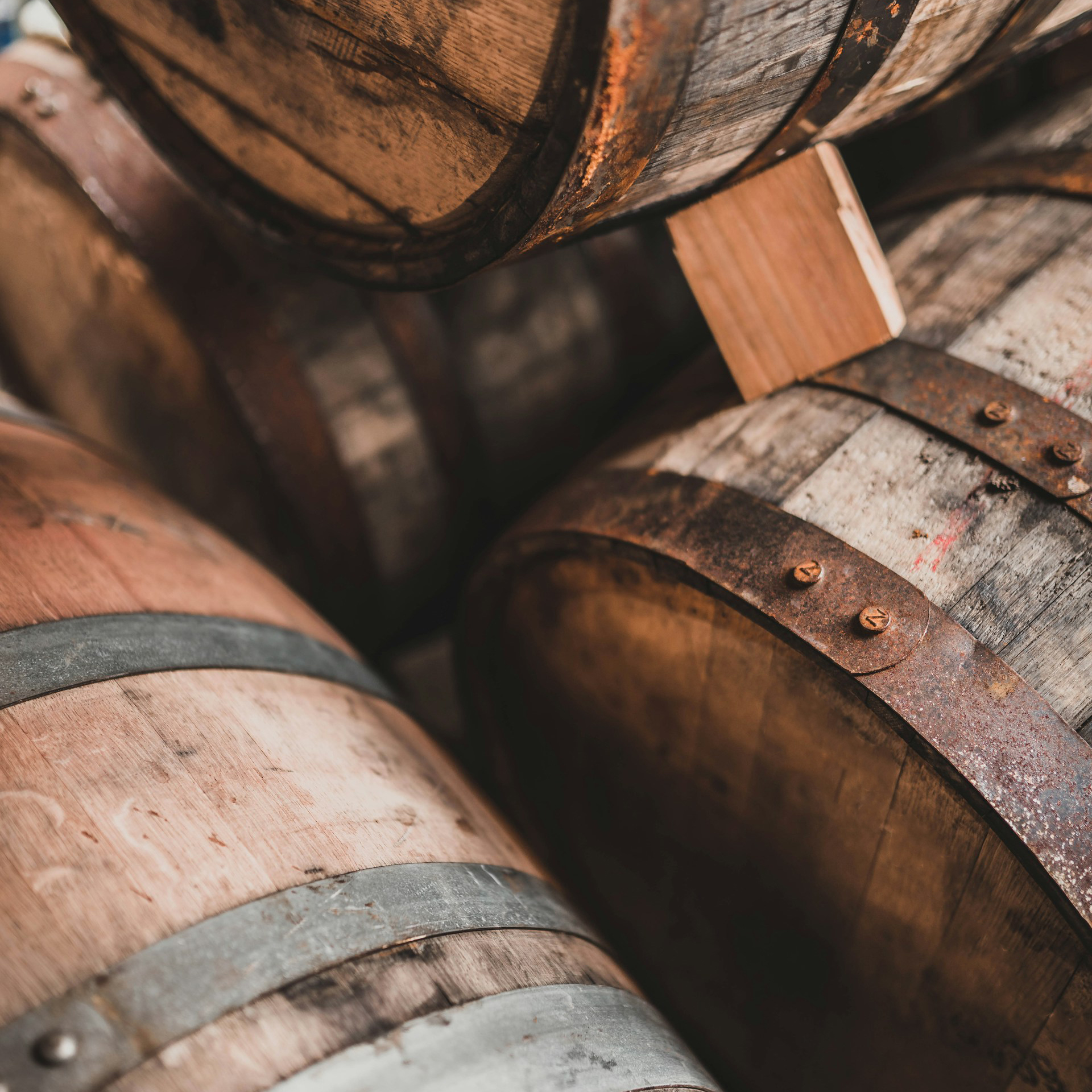
What Is Barrel Aged Beer?
What exactly does it mean to “barrel age” a beer? Today, let us explore the science and the art of barrel aging your favorite brew.
Simply put, barrel aging is the process of allowing a beer to mature while resting in a wooden barrel. Why is beer maturation important? Maturation is a subtle yet integral part of beer flavor development. It is the final process in the brewing cycle that affects flavor and brings the brewer’s vision to your glass.
Beer maturation is typically done in big, shiny, sanitary stainless steel vessels, allowing the freshly brewed and fermentation flavors time to come together and mellow, allowing undesirable flavors the age out and ultimately providing a consistent flavor throughout the batch. The process is very controlled, controlled temperature, controlled sanitation… no light, no heat, no oxygen, no beasties.
The Barrel Aging Process
Now, let’s fire up the engines and add some chaos to all this order. Let’s BARREL AGE a beer. Wooden barrels are porous by nature, which means the maturation process is radically different than the typical controlled stainless process. The barrel is more than just an inert vessel to keep the beer safe while flavors develop. Barrel aging is another tool used by the brewer to infuse flavor into the beer. Barrel aging also allows micro-oxygenation, which can alter the mouthfeel of the beer, and I mentioned the porous nature of wood, so do we ever really know what’s aspirating in and out of that barrel… (might not want to store the barrels in a smoggy area; tangent, sorry, I digress). But the major reason to barrel age beer is for flavor infusion.
Flavor Complexity
WOW, just WOW! There are so many different flavors to explore and so many layers of complexity!! The wood species makes a difference. The amount of time in the barrel matters. The wine or spirit previously aged in the barrel provide different flavors, along with the toast and/or char of the barrel itself.
Oak Varieties
Oak wood is ideal for barrel aging, it is prolific and has the proper density to store liquid. French oak yields a subtle array of tannin with soft notes of cream, vanilla and baking spices, and is a classic choice for aging wine. American Oak is known for providing more intense tannin of vanilla and coconut, making it a classic choice for whiskeys.
Previous Barrel Contents
In order to categorize barrels after they have been used to age wine or spirit, I need to paint in broad strokes. Anything else is too narrow a description of their unique nature. Wine barrels tend to carry through their french oak lineage and become infused with the fruitiness of the grapes used. Whiskey barrels provide different profiles, Bourbon whiskey barrels provide primary notes of vanilla, cocoa, stone fruits with potentials of chocolate, tobacco, and smoke. Rye whiskey barrels, on the other hand provide primary notes of cinnamon, clove and allspice, and potential chocolate, leather and smoke. Rum barrels are used for so many years they rarely retain any wood characteristics, instead bringing a different aged sweetness to the party.
The Art of Barrel Aging
I love barrel aging beer!! All the flavors discussed previously are just more flavors available to craft the experience. Should we compliment the flavors of a beer and use the barrel to enhance the beers ingredients, or should we use the barrel to infuse bold new flavors into a beer? Yes, we should do BOTH! There is no right answer, just the courage to try. That is the only way something new is ever created.
In truth, no two barrels are the same anyway. A barrel’s unique nature provides a flavor set to beer that only nature can provide. Fate and chaos take their place and we never quite know what the final beer will be. We hope you enjoy our variety of barrel aged offerings and thank you for taking this wonderful journey with us!
—T. Anderson
Mad Hatter & Chief Alchemist
